
Your cart is currently empty.
Skip to product information
 Open media 1 in gallery view
 Open media 2 in gallery view
 Open media 3 in gallery view
 Open media 4 in gallery view


 Open media 1 in gallery view
 Open media 2 in gallery view
 Open media 3 in gallery view
 Open media 4 in gallery view


Sindo - Baby Rose Plant Delight in the Beauty of Baby Rose Plant
Sale price
$35.00
Regular price
$35.00
SKU:
MF2805-MAHAMERUFLORA
Category:Ornamental Plant
Free Delivery
Available for all locations.
Delivery Options & Info
Description
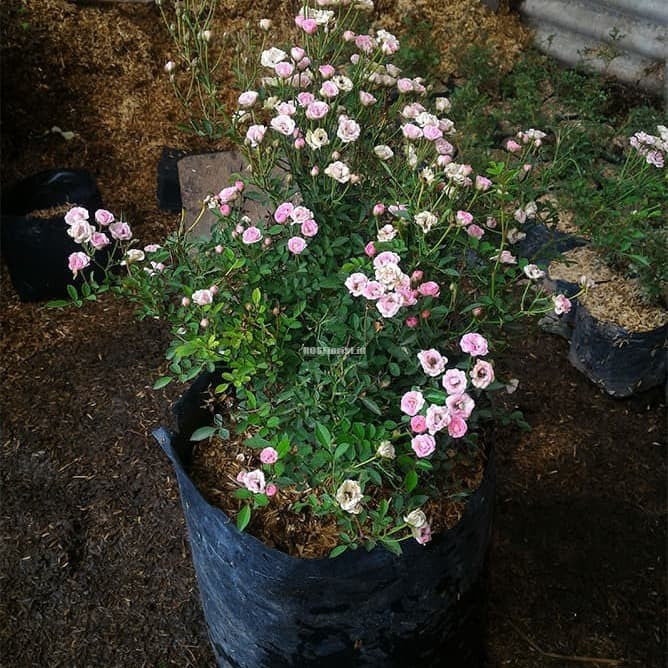
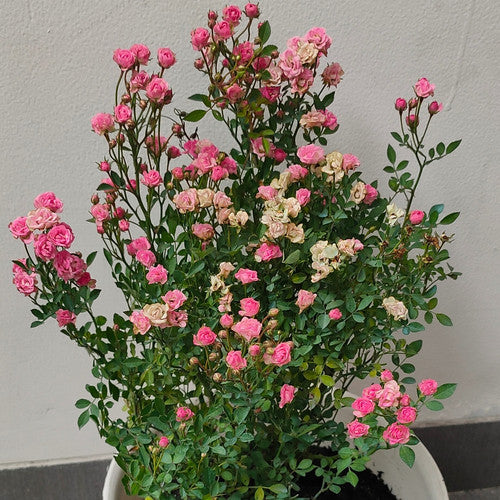
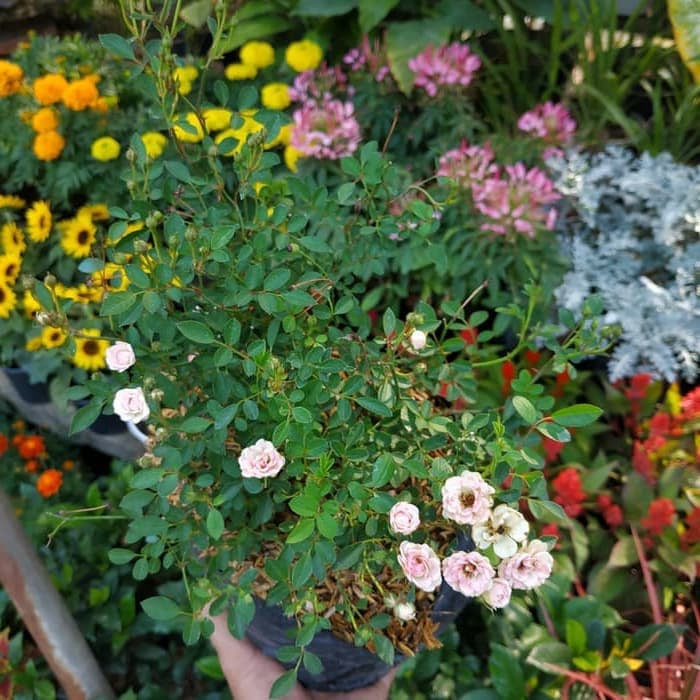
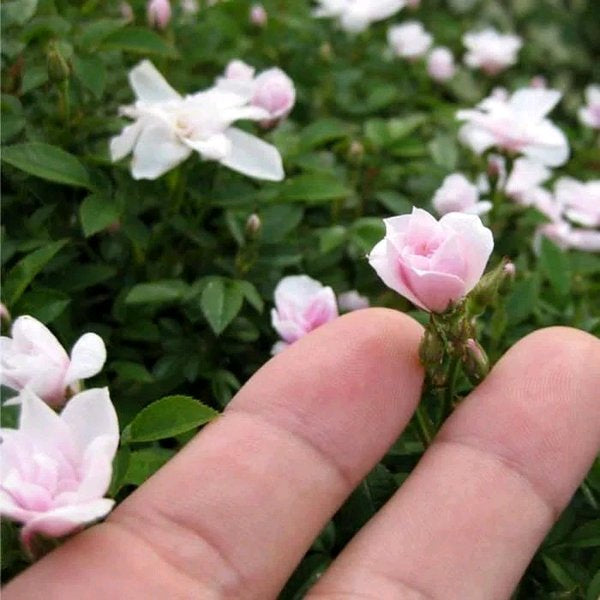
The Baby Rose plant, also known as Rosa 'Baby Rose', is a captivating miniature rose variety that brings a touch of romance and elegance to any garden or indoor space. Despite its small size, this petite beauty boasts vibrant blooms and a delightful fragrance, captivating the hearts of plant enthusiasts and rose lovers alike. In this comprehensive guide, we will explore the essential steps to care for and nurture a thriving Baby Rose plant.
1. Site Selection
Choose a suitable location for your Baby Rose plant. It thrives in full sun, requiring at least six hours of direct sunlight each day. Select a spot with well-draining soil that is rich in organic matter. If planting indoors, place the plant near a south-facing window or provide supplemental grow lights to ensure adequate light exposure.
2. Soil Preparation
Prepare the soil for your Baby Rose plant by incorporating compost or well-rotted manure to improve its fertility and drainage. The soil should be slightly acidic with a pH range of 6 to 6.5. Avoid heavy clay soils that can retain excessive moisture, leading to root rot. Ensure proper drainage to prevent waterlogged conditions.
3. Watering
Proper watering is crucial for the health and vitality of your Baby Rose plant. Keep the soil consistently moist but not soggy. Water deeply at the base of the plant, avoiding overhead watering that can promote fungal diseases. Monitor the soil moisture levels and adjust the watering frequency based on weather conditions and the plant's needs.
4. Fertilization
Feed your Baby Rose plant with a balanced rose fertilizer formulated specifically for potted or container plants. Apply the fertilizer according to the package instructions, typically every four to six weeks during the growing season. Organic alternatives like compost or well-decomposed manure can also be used to provide nutrition to the plant.
5. Pruning
Regular pruning helps maintain the shape, health, and flowering of your Baby Rose plant. Prune in early spring to remove dead or damaged wood and promote new growth. Trim back any crossed or overcrowded branches to improve air circulation. Deadhead faded blooms throughout the growing season to encourage continuous flowering.
6. Mulching
Apply a layer of organic mulch around the base of your Baby Rose plant. Mulching helps retain soil moisture, suppress weed growth, and regulate soil temperature. Use materials like wood chips, straw, or compost. Maintain a gap between the mulch and the plant's stems to prevent moisture-related issues and discourage pests.
7. Pest and Disease Control
Monitor your Baby Rose plant for common rose pests such as aphids, spider mites, or black spot disease. Regularly inspect the leaves and stems for signs of infestation or disease. If necessary, use organic pest control methods such as insecticidal soaps, neem oil, or homemade remedies to combat pests and prevent disease spread.
8. Winter Care
In colder regions, Baby Rose plants may require protection during the winter months. Before the first frost, apply a layer of mulch around the base of the plant to insulate the roots. Cover the plant with burlap or a frost blanket to shield it from harsh temperatures. Move potted plants indoors to a cool, well-lit location.
The Baby Rose plant's delicate beauty, compact size, and captivating fragrance make it a charming addition to gardens, containers, or small spaces. With proper care and attention, you can enjoy the abundant blooms and timeless elegance of this delightful miniature rose variety. Let the Baby Rose plant infuse your surroundings with romance and beauty.
1. Site Selection
Choose a suitable location for your Baby Rose plant. It thrives in full sun, requiring at least six hours of direct sunlight each day. Select a spot with well-draining soil that is rich in organic matter. If planting indoors, place the plant near a south-facing window or provide supplemental grow lights to ensure adequate light exposure.
2. Soil Preparation
Prepare the soil for your Baby Rose plant by incorporating compost or well-rotted manure to improve its fertility and drainage. The soil should be slightly acidic with a pH range of 6 to 6.5. Avoid heavy clay soils that can retain excessive moisture, leading to root rot. Ensure proper drainage to prevent waterlogged conditions.
3. Watering
Proper watering is crucial for the health and vitality of your Baby Rose plant. Keep the soil consistently moist but not soggy. Water deeply at the base of the plant, avoiding overhead watering that can promote fungal diseases. Monitor the soil moisture levels and adjust the watering frequency based on weather conditions and the plant's needs.
4. Fertilization
Feed your Baby Rose plant with a balanced rose fertilizer formulated specifically for potted or container plants. Apply the fertilizer according to the package instructions, typically every four to six weeks during the growing season. Organic alternatives like compost or well-decomposed manure can also be used to provide nutrition to the plant.
5. Pruning
Regular pruning helps maintain the shape, health, and flowering of your Baby Rose plant. Prune in early spring to remove dead or damaged wood and promote new growth. Trim back any crossed or overcrowded branches to improve air circulation. Deadhead faded blooms throughout the growing season to encourage continuous flowering.
6. Mulching
Apply a layer of organic mulch around the base of your Baby Rose plant. Mulching helps retain soil moisture, suppress weed growth, and regulate soil temperature. Use materials like wood chips, straw, or compost. Maintain a gap between the mulch and the plant's stems to prevent moisture-related issues and discourage pests.
7. Pest and Disease Control
Monitor your Baby Rose plant for common rose pests such as aphids, spider mites, or black spot disease. Regularly inspect the leaves and stems for signs of infestation or disease. If necessary, use organic pest control methods such as insecticidal soaps, neem oil, or homemade remedies to combat pests and prevent disease spread.
8. Winter Care
In colder regions, Baby Rose plants may require protection during the winter months. Before the first frost, apply a layer of mulch around the base of the plant to insulate the roots. Cover the plant with burlap or a frost blanket to shield it from harsh temperatures. Move potted plants indoors to a cool, well-lit location.
The Baby Rose plant's delicate beauty, compact size, and captivating fragrance make it a charming addition to gardens, containers, or small spaces. With proper care and attention, you can enjoy the abundant blooms and timeless elegance of this delightful miniature rose variety. Let the Baby Rose plant infuse your surroundings with romance and beauty.