
Your cart is currently empty.
Skip to product information
 Open media 1 in gallery view
 Open media 2 in gallery view
 Open media 3 in gallery view


 Open media 1 in gallery view
 Open media 2 in gallery view
 Open media 3 in gallery view


Description
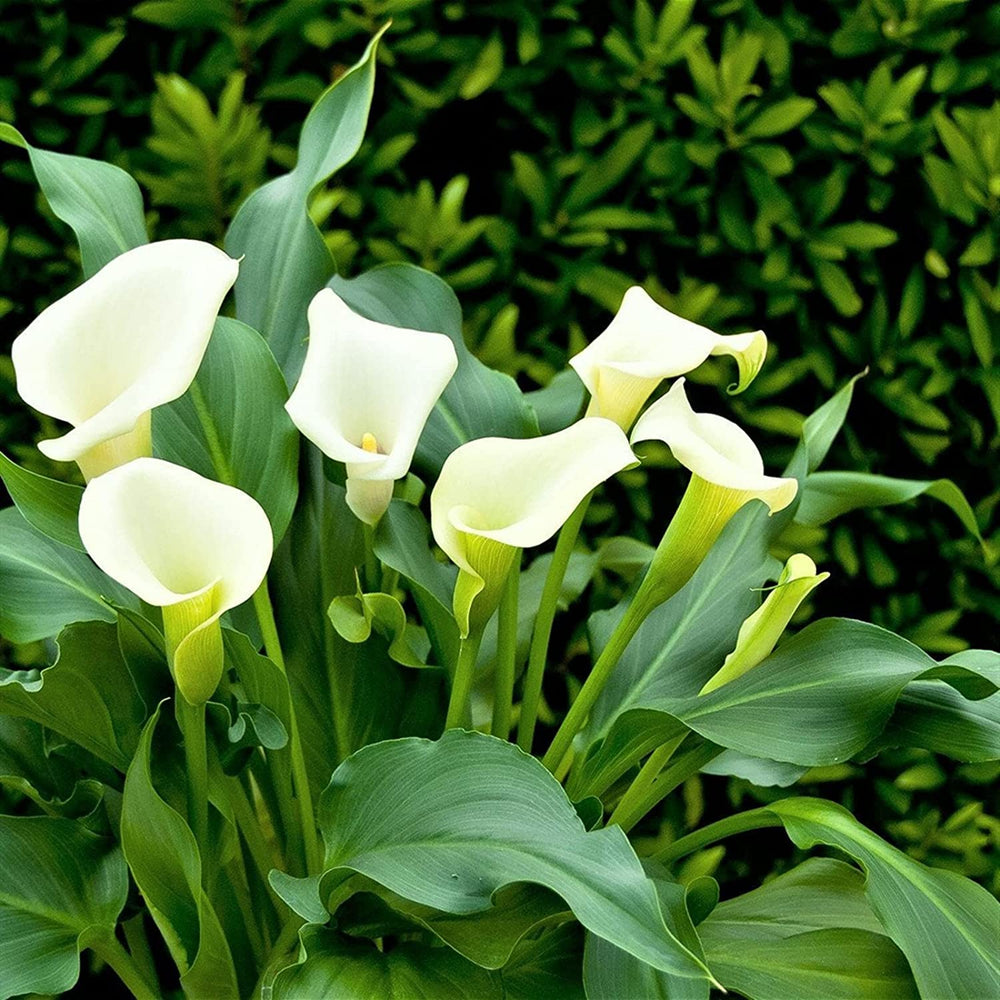
Indulge in the captivating allure of Calla Lily Flower, where elegance and grace converge in a harmonious display. With its exquisite blooms and timeless beauty, this remarkable plant, scientifically known as Zantedeschia spp., will add a touch of sophistication to your Singaporean garden. Discover the secrets to growing and caring for this enchanting flower in Singapore's tropical climate and unlock a world of floral enchantment.
Optimal Growing Conditions
Calla Lily thrives in partial shade, making it an ideal choice for locations in your garden that receive morning sun and afternoon shade. Select well-draining soil with a slightly acidic pH level. Incorporate organic matter like compost or peat moss to improve soil fertility, moisture retention, and drainage.
Planting and Watering
Plant Calla Lily tubers in spring, ensuring they are placed about 4 inches deep and 12 to 18 inches apart. Water the newly planted tubers thoroughly and then keep the soil consistently moist but not waterlogged. Avoid overwatering, as it can cause the tubers to rot. During dry spells, monitor the plants closely to prevent excessive drying out.
Fertilizing and Nutrients
Apply a balanced, slow-release fertilizer to Calla Lily once every two to three months during the growing season. Follow the package instructions for the appropriate dosage. Alternatively, use a liquid fertilizer diluted to half strength and apply it every two weeks. This provides the necessary nutrients for healthy growth and abundant blooms.
Mulching and Weed Control
Apply a layer of organic mulch around the base of the Calla Lily plants to conserve moisture, suppress weed growth, and regulate soil temperature. Be careful not to cover the tubers completely, as they may rot. Regularly inspect the area for weeds and remove them promptly to prevent competition for nutrients and moisture.
Pruning and Deadheading
Remove faded or spent flowers from Calla Lily plants to encourage continuous blooming and maintain a tidy appearance. Snip off the stem just above the foliage using clean, sharp pruners. Be cautious not to damage the surrounding healthy foliage. Pruning can also be done in late fall after the foliage has died back.
Pest and Disease Management
Calla Lily is generally resistant to pests and diseases. However, keep an eye out for aphids or snails, which can occasionally cause issues. Inspect the plants regularly and use organic pest control methods if necessary. Ensure good air circulation around the plants to prevent fungal diseases. Avoid overwatering and overcrowding.
Optimal Growing Conditions
Calla Lily thrives in partial shade, making it an ideal choice for locations in your garden that receive morning sun and afternoon shade. Select well-draining soil with a slightly acidic pH level. Incorporate organic matter like compost or peat moss to improve soil fertility, moisture retention, and drainage.
Planting and Watering
Plant Calla Lily tubers in spring, ensuring they are placed about 4 inches deep and 12 to 18 inches apart. Water the newly planted tubers thoroughly and then keep the soil consistently moist but not waterlogged. Avoid overwatering, as it can cause the tubers to rot. During dry spells, monitor the plants closely to prevent excessive drying out.
Fertilizing and Nutrients
Apply a balanced, slow-release fertilizer to Calla Lily once every two to three months during the growing season. Follow the package instructions for the appropriate dosage. Alternatively, use a liquid fertilizer diluted to half strength and apply it every two weeks. This provides the necessary nutrients for healthy growth and abundant blooms.
Mulching and Weed Control
Apply a layer of organic mulch around the base of the Calla Lily plants to conserve moisture, suppress weed growth, and regulate soil temperature. Be careful not to cover the tubers completely, as they may rot. Regularly inspect the area for weeds and remove them promptly to prevent competition for nutrients and moisture.
Pruning and Deadheading
Remove faded or spent flowers from Calla Lily plants to encourage continuous blooming and maintain a tidy appearance. Snip off the stem just above the foliage using clean, sharp pruners. Be cautious not to damage the surrounding healthy foliage. Pruning can also be done in late fall after the foliage has died back.
Pest and Disease Management
Calla Lily is generally resistant to pests and diseases. However, keep an eye out for aphids or snails, which can occasionally cause issues. Inspect the plants regularly and use organic pest control methods if necessary. Ensure good air circulation around the plants to prevent fungal diseases. Avoid overwatering and overcrowding.